Online Resources
Online Resources
Resources to spark discovery in every classroom
Chicago Southland STEM Network
About Chicago Southland STEM Network
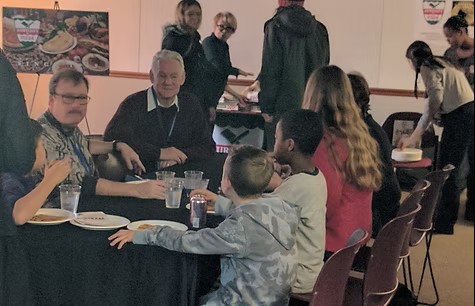
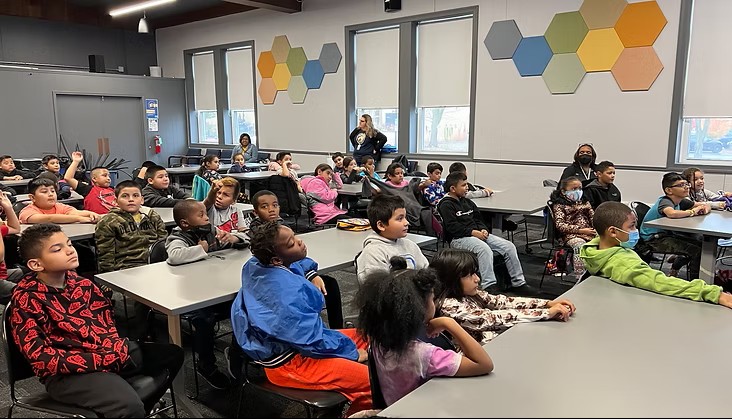
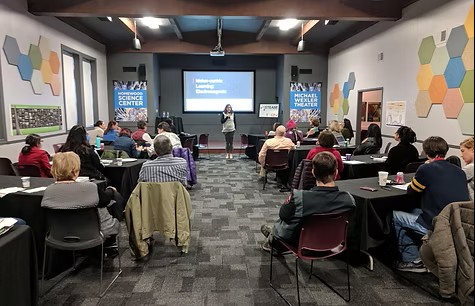
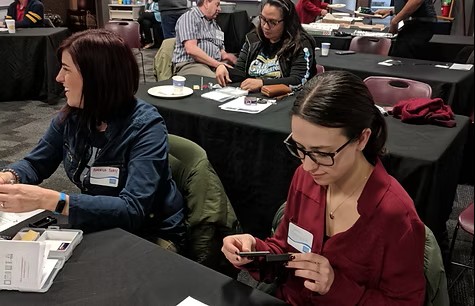
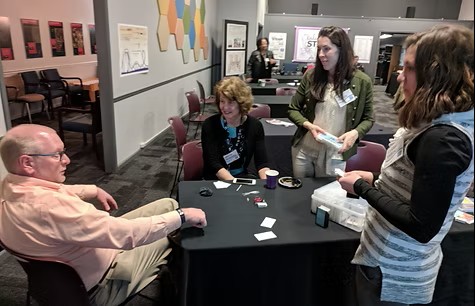
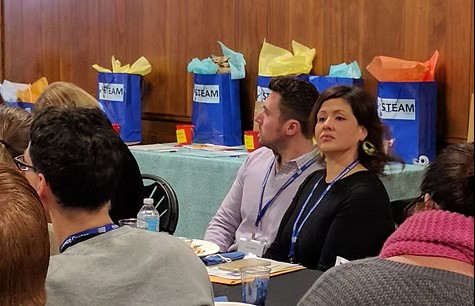
By collaborating with partners from across sectors, Chicago Southland STEM Network takes an innovative approach to increase STEM equity, interest, and persistence throughout Chicago’s culturally and economically diverse south suburbs. Chicago Southland STEM Network convenes educators, business leaders, and community enthusiasts to celebrate and strengthen STEM initiatives and workforce development for students. We create pathways:
- Hands-on experience in ecology and environmental science
- Leadership and teamwork skills for young scientists
- Opportunities to collaborate with peers and science educators
- Contribute to real conservation and community science projects
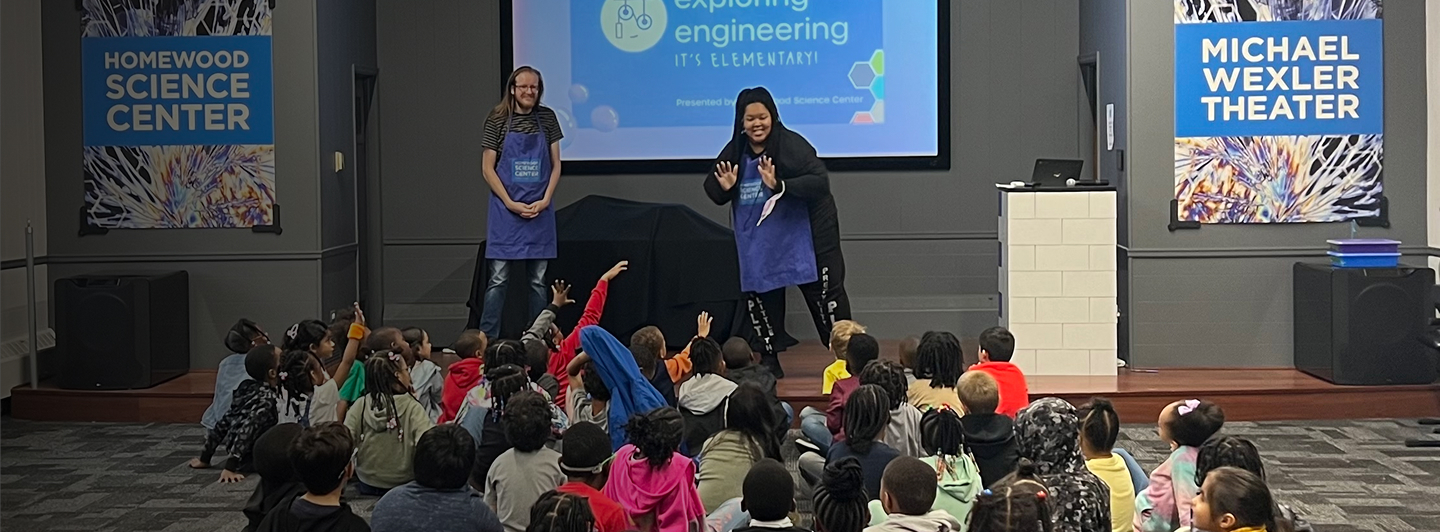
Chicago Southland STEAM Network originated in 2016 and is powered by Homewood Science Center, a nonprofit organization which inspires scientific wonder, learning, and pursuit.
STEM Learning Ecosystem
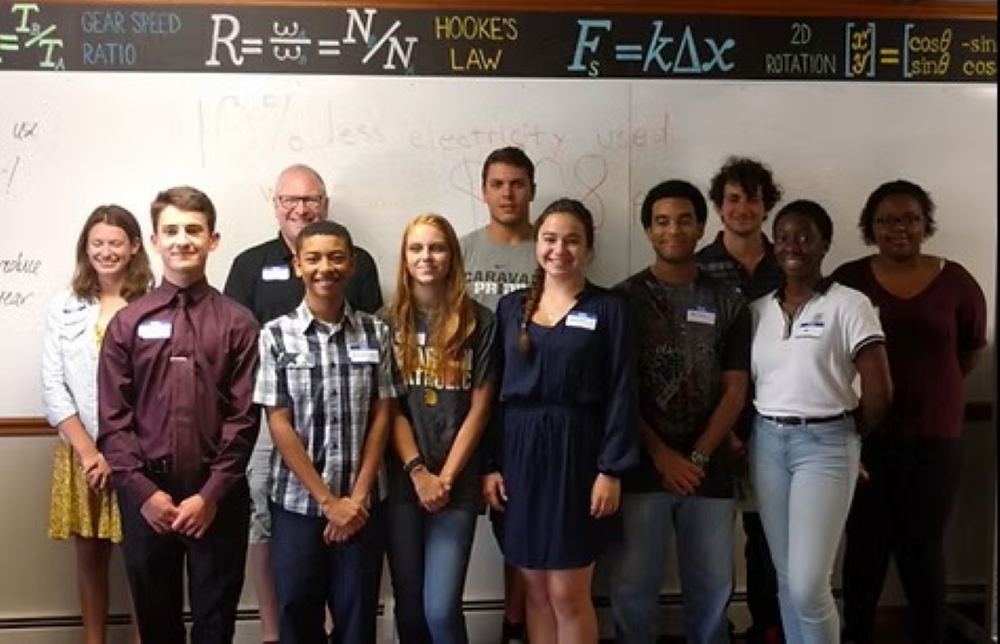
“STEM Learning Ecosystems provide the architecture for cross-sector learning, offering all young people access to STEM-rich learning environments so they can develop important skills and engagement in science, technology, engineering and math throughout preK-16.
Strong STEM Learning Ecosystems feature dynamic collaborations among schools, out-of-school time programs, STEM expert institutions (such as museums, science centers, institutions of higher education and STEM professional associations), the private sector, community-based organizations, youth and families.”
STEMECOSYSTEMS.ORG
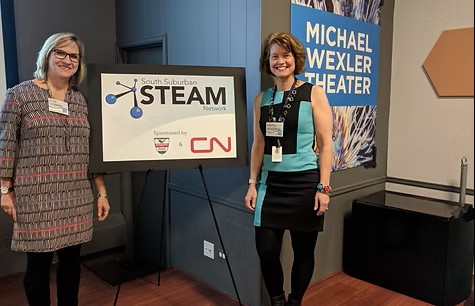
South Suburban STEAM Network joined the STEM Learning Ecosystems in 2018.
Joining Forces with STEM Ecosystems Across the Country and Chicagoland
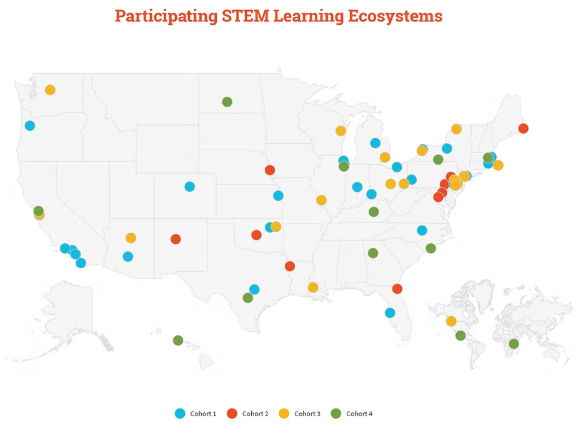
As a nationally recognized STEM Learning Ecosystem, the South Suburban STEAM Network is recognized as taking the lead in STEM learning for the greater Chicago Southland region. Recognized along with EvanSTEM and the Chicago STEM Pathways Cooperative, Chicago Southland STEM Network joins a continuum of STEM ecosystems stretching across the Chicago Metropolitan region.
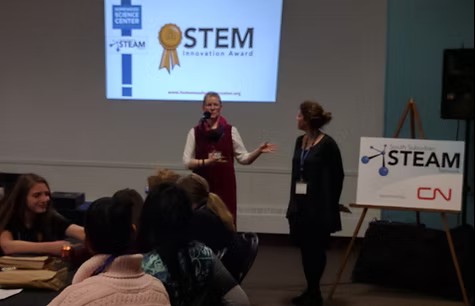
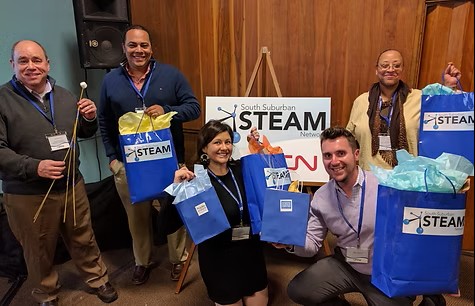
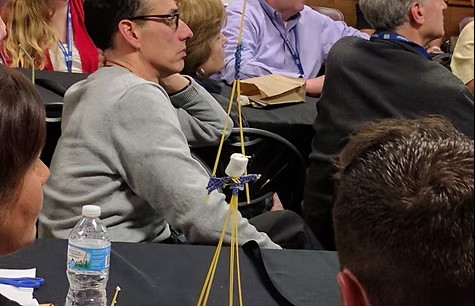
PopUp Science
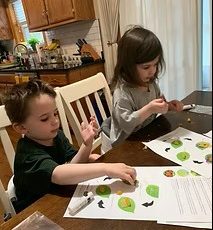
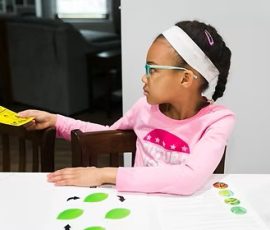
Download PopUp SCIENCE Activities in English and Spanish!
Citizen Science
Citizen Science in the Classroom
NGSS // Resources for Educators
Hello educators! We encourage you to incorporate Homewood Science Center’s Citizen Science: All About Birds in your classroom curriculum. You can do this by downloading our Educator Guide, reserving PopUp SCIENCE @Home kits for your PreK-5th grade students, or utilizing our Bird of the Month Community Journal. We also encourage your students to attend our Citizen Science events. We will offer extra credit codes at our speaker series, Spotlight On…
We also recommend the free resources in Cornell Lab of Ornithology’s Celebrate Urban Birds program.
“Celebrate Urban Birds is a citizen science project focused on better understanding the value of green spaces for birds. This project connects people of all ages and backgrounds to birds and the natural world through the arts and fun neighborhood activities.”
Educators can download the following materials for free by visiting the Celebrate Urban Birds website.
• Instructions
• Bird silhouette poster
• Bird ID poster
• Tally sheet
• Data sheet
• “Zero means a lot” sticker
Citizen Science
& NGSS

The strongest connection between the NGSS and citizen science is to the science and engineering practices:
The NGSS requires that students not only know science facts, but can actually use them to explain phenomena and solve problems using the science and engineering practices that are one of the 3 dimensions. Phenomena are essential to NGSS instruction – they not only provoke questioning and investigation, but they also support the creation of the conceptual models students can use to understand science concepts. Integrating the science and engineering practices into science instruction will allow students to begin to use scientific skills to “figure out” the answers to scientific questions. Building concrete scientific skills will increase students’ awareness of, and confidence in, their own ability to contribute meaningfully to scientific research which is supportive of student self-efficacy.
Citizen science projects also support self-efficacy and achievement in the classroom:
• Active engagement in science through voice and choice
• Supports student autonomy
• Allows students to undertake, persist in, and fulfill a learning goal
• Contribute to authentic science research
• Opportunity to communicate scientific knowledge to others
NGSS science content connections depend upon the citizen science project and how it is implemented:
Not all citizen science projects require students to understand content to participate, but a 2018 consensus study by the National Academies of Science, Engineering, and Medicine found evidence that content learning does occur in citizen science projects, such as Celebrate Urban Birds, that requires participants to develop expertise in identifying and documenting species, or objects, or other natural phenomena and gathering and organizing related data.
Celebrate Urban Birds works towards these elementary and middle school NGSS performance expectation core ideas:
Life Science Performance Expectation Core Ideas:
LS1.A – Structure and Function
LS2.A – Interdependent Relationships in Ecosystems
LS2.C – Ecosystem Dynamics, Functioning and Resilience
LS4.C – Adaptation
LS4.D – Biodiversity and Humans